
Why a little information saves a lot of back-and-forth
When you call a tyre shop and ask how much a tyre costs, the first answer is often another question: what size do you need? That is useful, because the same vehicle name may have different wheel and tyre options. The workshop needs enough detail to quote the right product and confirm what is suitable.
You do not need to decode every marking before getting in touch. A clear photo, your vehicle details and a note about what you need are often the best starting point. The purpose of this guide is to help you gather that information without turning the task into a technical project.
Keep the information together on your phone or on paper. When you compare quotes, use the same details each time. That makes it easier to see whether the prices relate to comparable tyres and the same work.
Read the main size marking
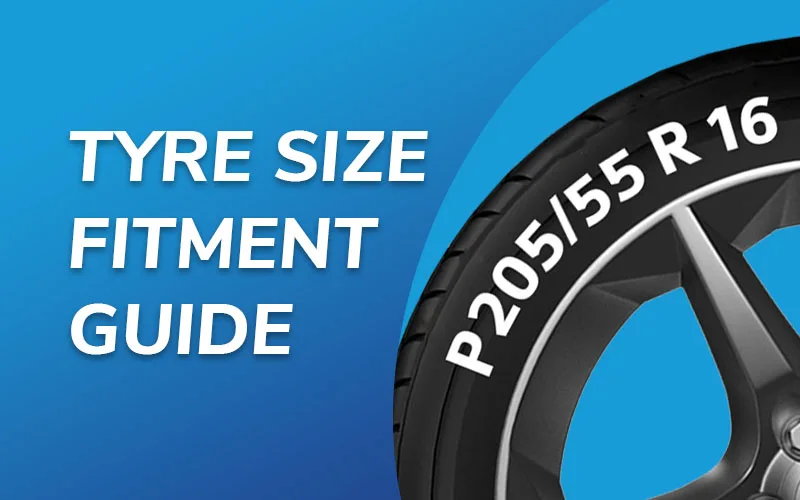
A marking such as 205/55 R16 contains several pieces of information. In this example, 205 is the nominal width in millimetres. The 55 is the aspect ratio, expressed as a percentage of the width. The R identifies radial construction, and 16 relates to the wheel diameter in inches. The example explains the format; it is not a recommendation for your vehicle.
Ford Australia explains these elements in its guide to information on a tyre sidewall. Copy the marking exactly rather than estimating a size from the appearance of the tyre.
If you cannot see the full marking, do not put yourself in an unsafe position to find it. Ask the workshop for help. A missing detail can be checked; a guessed detail may lead to a quote for the wrong item.
Keep the load and speed codes with the size
The numbers and letters following the size also matter. Michelin’s tyre markings guide explains that the load index identifies load capability and the speed rating identifies the tyre’s speed capability under specified conditions. Record these codes as part of the full marking.
Do not assume that two tyres are interchangeable because the width and wheel diameter look the same. Ask the workshop to confirm the specification against the vehicle’s requirements. Also mention any special markings or features you have been told apply to the current tyres.
For a useful conversation, send what you can read and identify anything that is unclear. It is better to say that a letter is hard to see than to select a replacement on an uncertain transcription. The workshop can explain what information is still needed.
Check the vehicle information as well
Your existing tyre is a starting point, not proof that every aspect of the current fitment is correct. Look for the tyre information placard and consult the vehicle handbook. Tell the workshop if you have changed the wheels, purchased the vehicle with modifications or are unsure whether the current setup is original.
Recommended inflation pressure should come from the vehicle guidance. Michelin notes that maximum sidewall markings are not necessarily the recommended pressure for the particular vehicle. Do not substitute a sidewall maximum for the pressure instructions in the handbook or placard.
Take a clear photograph of the placard if you can access it safely. Send it alongside the sidewall photo when the team asks. This gives the workshop a more useful picture than a message containing only a brand name or an approximate wheel size.
Include your vehicle and the job you need
Prepare the make, model and year, then explain whether you want one tyre, a pair or a full set. If you are unsure how many need replacing, ask for an assessment rather than choosing a quantity solely to fit a budget. Mention any damage, pressure loss or unusual wear you have noticed.
Describe your ordinary use in practical terms. You might drive mostly around town, carry equipment during the week or travel longer distances regularly. This information supports the conversation without requiring you to choose a technical tyre category in advance.
If you are comparing prices, ask for both new tyre options and nearly-new options where appropriate. Our new versus nearly-new buying guide explains which details make that comparison useful.
Ask for a quote that identifies the whole job
A quote should make clear which tyre is being offered and what the workshop will do. Ask for the make, model, size and applicable condition description, together with the total fitted price. Check whether fitting, balancing, disposal and any relevant additional items are included.
Keep wheel alignment distinct from wheel balancing in the conversation. They are different services, and a quote should explain what has been included or recommended. You can read our alignment and balancing guide before asking the team about your vehicle.
Confirm how long the quote remains applicable and whether the tyres need to be ordered or reserved. Availability can change. A price discussed over the phone does not necessarily mean stock has been set aside or a fitting time has been booked. Ask what the next step is.
A message you can use when requesting a quote
Here is a practical structure for your enquiry: “I have a [make, model and year]. The tyre marking is [full marking], and I have attached a photo. I am looking for [one tyre, a pair, a set or an assessment]. I prefer the [Burleigh Heads or Southport] workshop. Could you confirm suitable options, availability and the total fitted price?”
Add a short description of any issue, such as pressure loss or uneven wear. Avoid including unnecessary personal information in photographs; a close-up of the tyre marking is more useful than a photograph of documents or identification. Send further details only through the workshop’s normal contact process if requested.
This message gives the team a clear starting point while leaving the technical recommendation with the people inspecting or supplying the tyres. You can also ask them to explain any unfamiliar term before agreeing to the work.
Choose your workshop and confirm the visit
Branigans’ Burleigh Heads workshop is at 13 Flagstone Drive. Its Southport workshop is at 1/277 Southport-Nerang Road. Contact your preferred location before travelling to confirm stock, opening hours and workshop availability.
Keep the quote details available when you arrive. If the inspection shows that a different specification or additional work is needed, ask for the updated recommendation and price. That keeps the original enquiry and the final job connected.
Ready to start? Use the existing Branigans enquiry form or call the workshop. The most useful next step is a clear conversation supported by the right information, not a guess based on the tyre’s appearance.
Frequently asked questions
Is the tyre size the same as the wheel size?
No. The tyre size contains several measurements. Wheel diameter is one part of that marking.
Can I request a quote without knowing the size?
Yes. Contact the workshop with your vehicle details and ask what information it needs. A clear sidewall photograph can help.
Should I inflate to the maximum printed on the sidewall?
Use the recommended pressure for your vehicle from its placard or handbook. A maximum sidewall marking is not a substitute.